Book your FREE Survey

Commercial Solar Funding: Capital Allowances, PPA, Asset Finance and Public Sector Grants

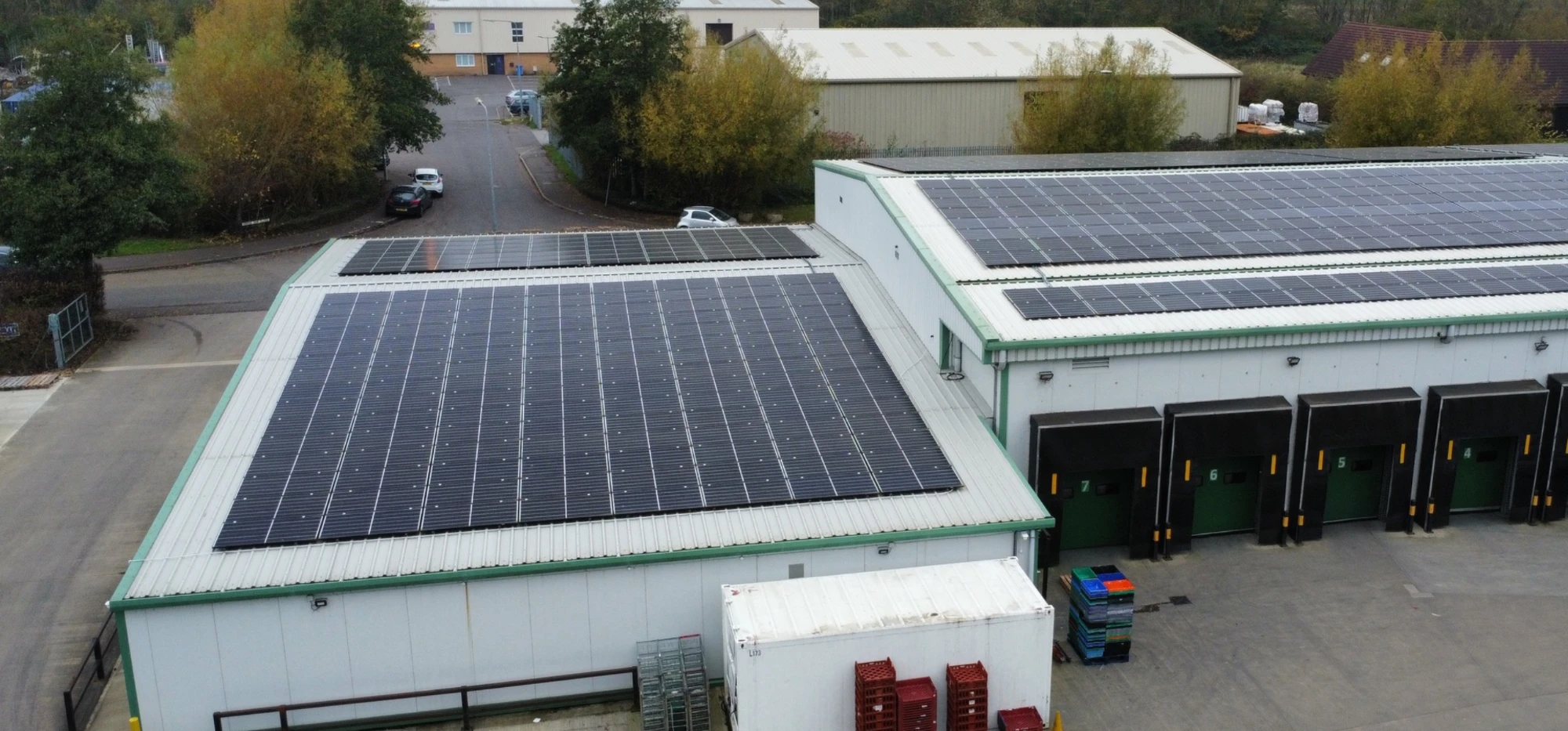
Commercial solar projects in 2026 are funded through a different stack than residential. The headline financial levers are capital allowances at the 25% corporation tax rate, Free Commercial Solar (PPA) for zero-upfront installs, asset finance and lease options for cash-flow positive structures, and public-sector funding routes for schools, councils, NHS and charity properties. This page covers the funding landscape for UK businesses, agricultural operations, public bodies and community organisations considering commercial solar (and increasingly battery storage) in 2026.

Google Google Rating: 4.5 Trustpilot: (368) 4.6

The commercial solar funding stack

Unlike residential, commercial solar does not have grant funding aimed at owner-occupiers. What it has is more powerful: tax relief, financing structures that turn solar into an operating cost rather than a capital cost, and (for public sector and charities) dedicated grant and loan schemes.

The commercial solar funding stack
Funding lever Who it is for What you get
Capital allowancesAll UK businesses paying corporation tax25% main rate tax relief on the full install cost, often in year one
Annual Investment Allowance (AIA)Most businesses below the threshold50% first-year relief plus the remaining 50% written down over subsequent years, up to ÂŁ1 million
Free Commercial Solar (PPA)Businesses wanting zero upfront costSolar installed at no capital cost, electricity at ~50% below grid for 10-25 years
Asset financeBusinesses wanting cash-flow positive structuresFixed monthly payments, often less than the energy saving from day one
Lease structuresBusinesses preferring off-balance-sheetFixed monthly cost, full operational benefit
Public Sector Decarbonisation Scheme (PSDS)Schools, councils, NHS, public sectorGrants up to 100% of qualifying retrofit costs
Salix loansPublic sector and not-for-profitInterest-free loans for energy efficiency and renewable installs
Charity VAT reliefRegistered charitiesReduced or zero VAT on qualifying installs

Most commercial customers we install for end up using two or three of these in combination. The right combination depends on the size of the business, the cash position, the tax circumstances and the asset profile.

Capital allowances

For UK businesses paying corporation tax, capital allowances are typically the biggest single funding lever on a commercial solar install.

Under the current corporation tax regime, the main rate is 25% on profits above ÂŁ250,000. Plant and machinery investment (including commercial solar PV, battery storage, EV chargers and heat pumps) qualifies for capital allowances at the 25% main rate.

For most installs this means the business can offset 25% of the full install cost against corporation tax, often in year one of the install. On a 250 kW commercial solar install at ÂŁ125,000, the corporation tax relief is around ÂŁ31,250 in year one if Annual Investment Allowance (AIA) applies.

AIA (Annual Investment Allowance) lets businesses claim a significant first-year deduction (currently 50% on plant and machinery, with the remaining 50% written down over subsequent years) up to ÂŁ1 million per year. Most residential-scale to mid-scale commercial solar installs sit within AIA, meaning the customer claims the full install cost against year-one profits.

For installs above ÂŁ1 million in a single tax year, the remainder of the cost is written down through standard capital allowances over multiple years.

We model capital allowance treatment for every commercial install at proposal stage so the customer can see the post-tax cost figure alongside the headline figure.

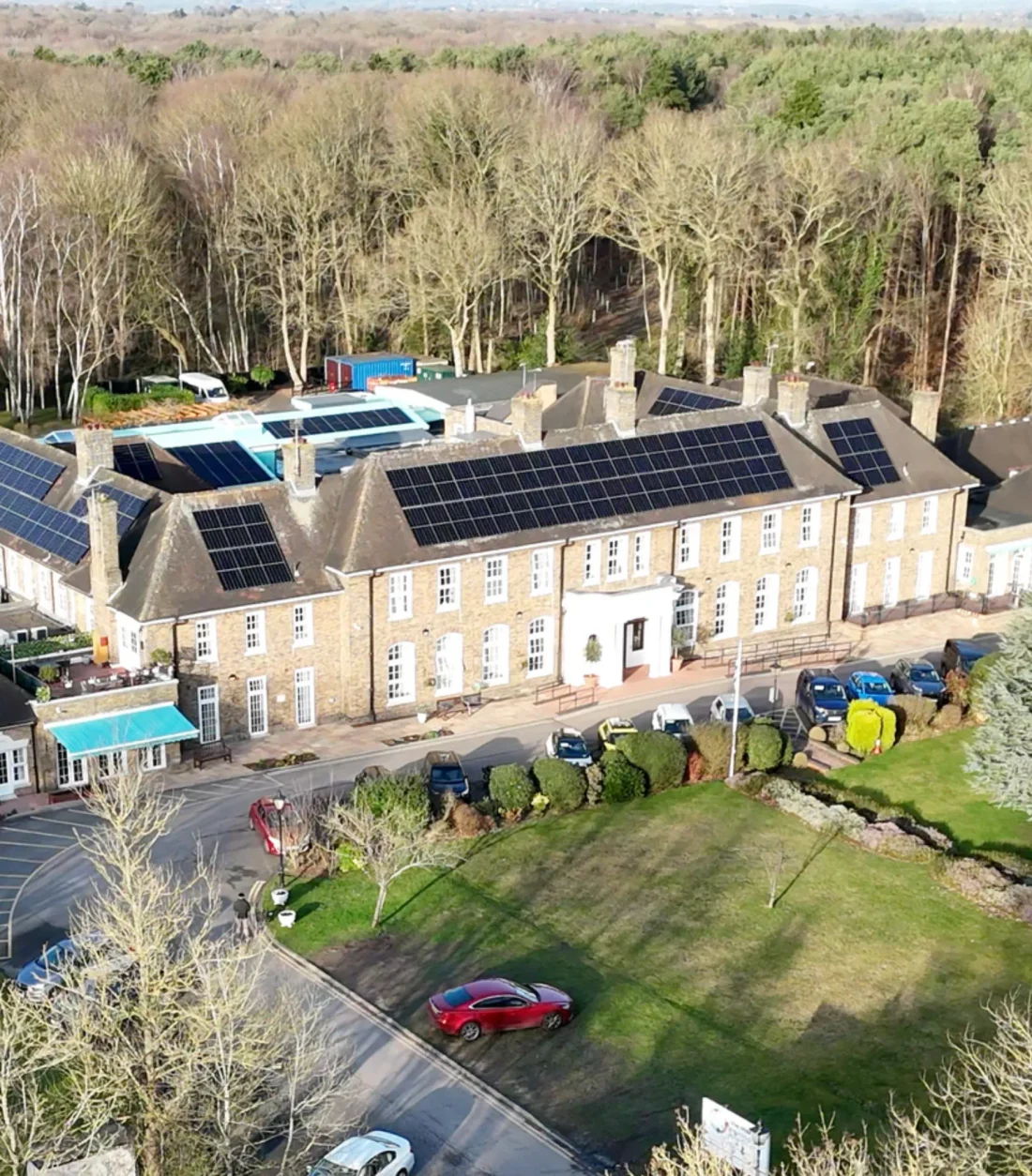
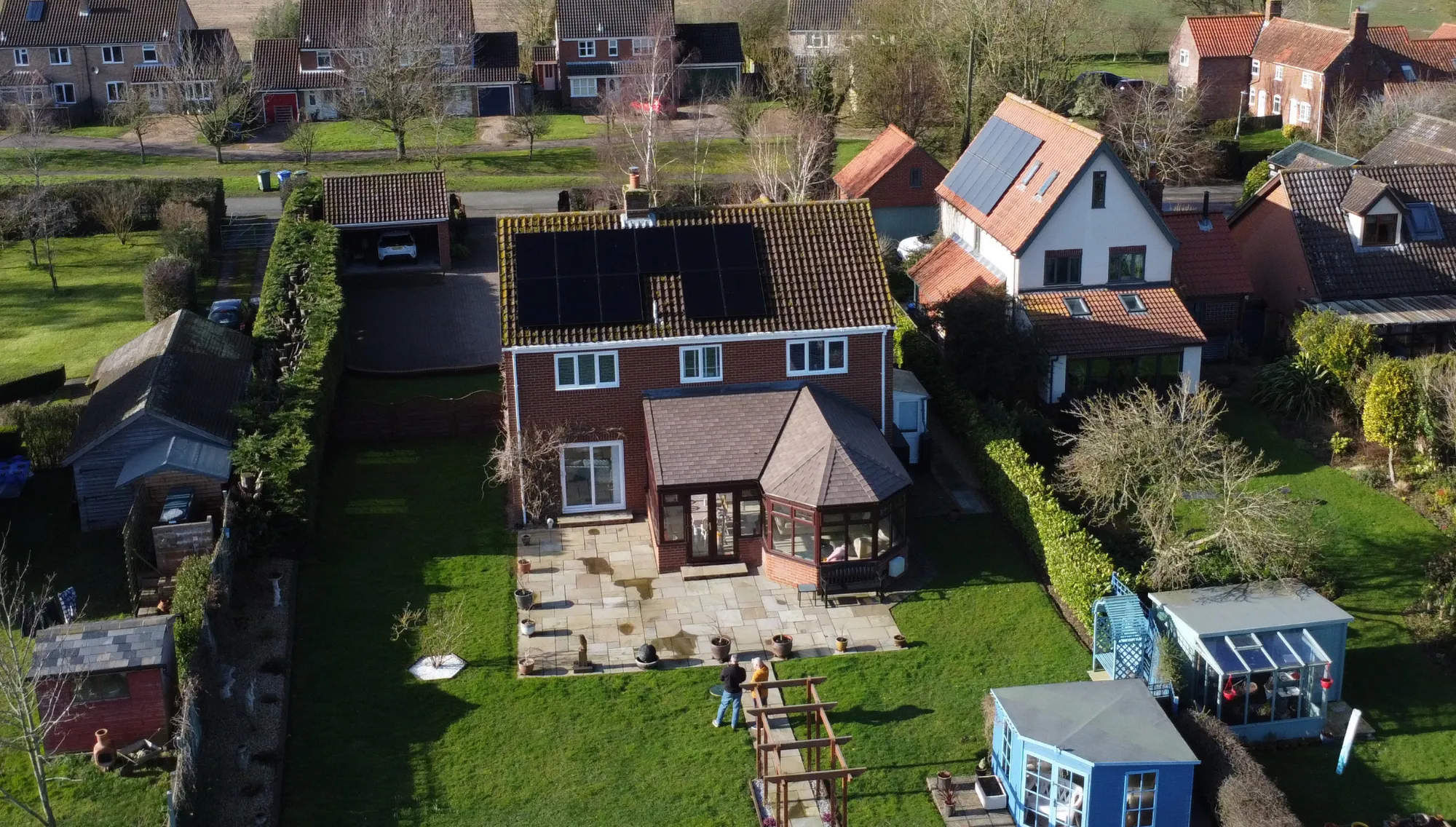
A country-house hotel with solar panels across its roofs, set in woodland

Free Commercial Solar (PPA)

The most important development in commercial solar funding since the FIT era. The Power Purchase Agreement (PPA) structure removes the capital barrier entirely.

How it works:

  • A funding partner pays for the solar install on the host's roof or land
  • The host signs a long-term agreement (typically 10-25 years) to buy the electricity generated at a fixed rate, usually 50% below grid rates
  • The host's electricity bill drops from day one
  • The funding partner owns the system and recoups the investment from the host's electricity payments over the contract term
  • At the end of the term, the system typically transfers to the customer at ÂŁ0 cost. Some PPA structures offer alternatives (extension or removal) but free transfer at end of term is the standard

The host (your business) does not pay any upfront capital. The host does not take on any maintenance or warranty risk. The host benefits from cheaper electricity from day one. For businesses with capital constraints, or businesses that prefer to use available capital for core operations rather than infrastructure, PPA is the answer.

See Free Commercial Solar (PPA) detail for the full mechanics, including how PPA interacts with leased premises (tri-party agreements between tenant, landlord and funder).

Asset finance and lease

For businesses that want to own the asset outright but prefer cash-flow positive structures over capital outlay:

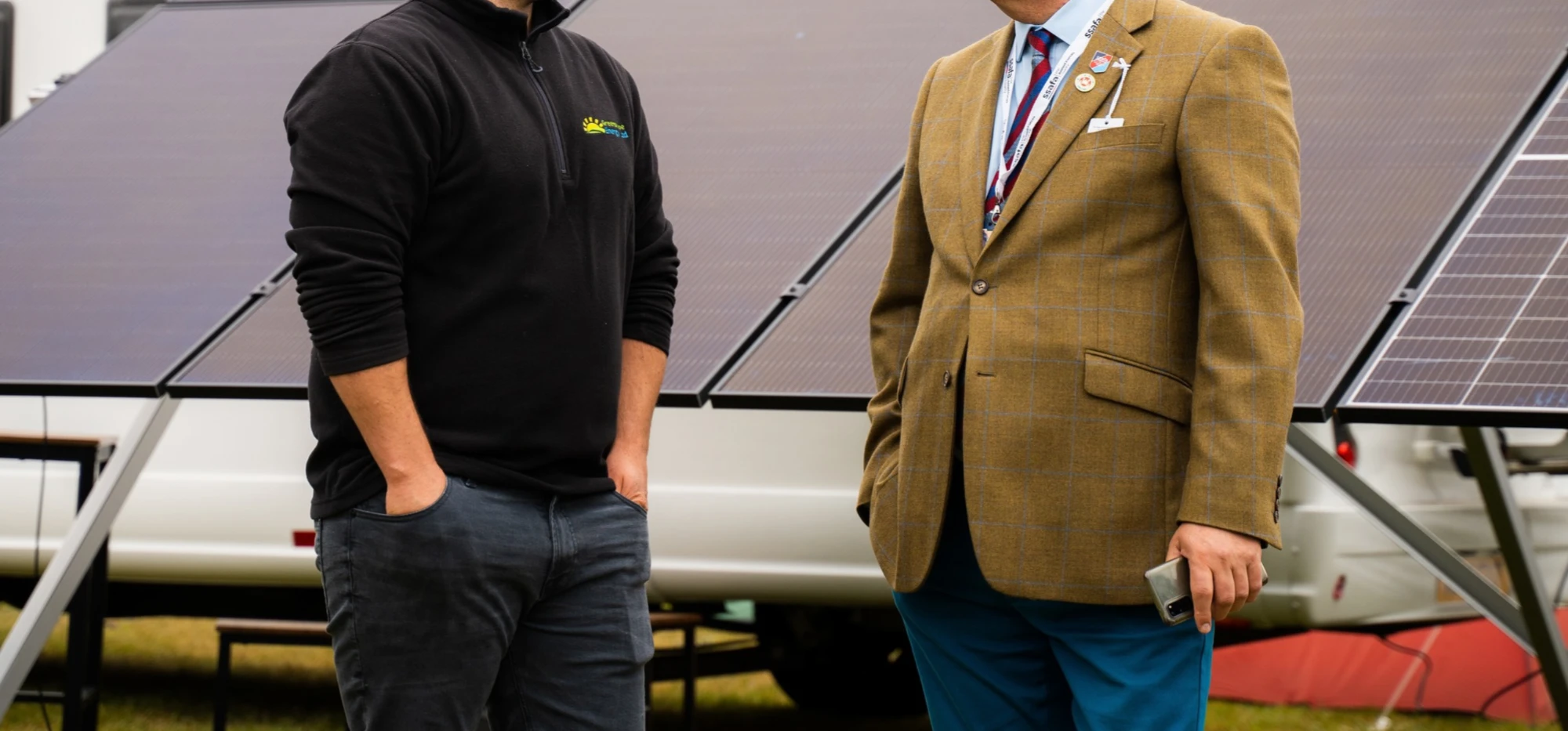
A Greenscape Energy engineer in a branded polo shirt

Spreads the install cost across a fixed term (typically 5-7 years) with monthly payments. The energy bill saving from day one is generally larger than the monthly finance cost, so the install is cash-flow neutral or positive from month one. The business owns the asset, claims the capital allowances, and the asset is on the balance sheet.

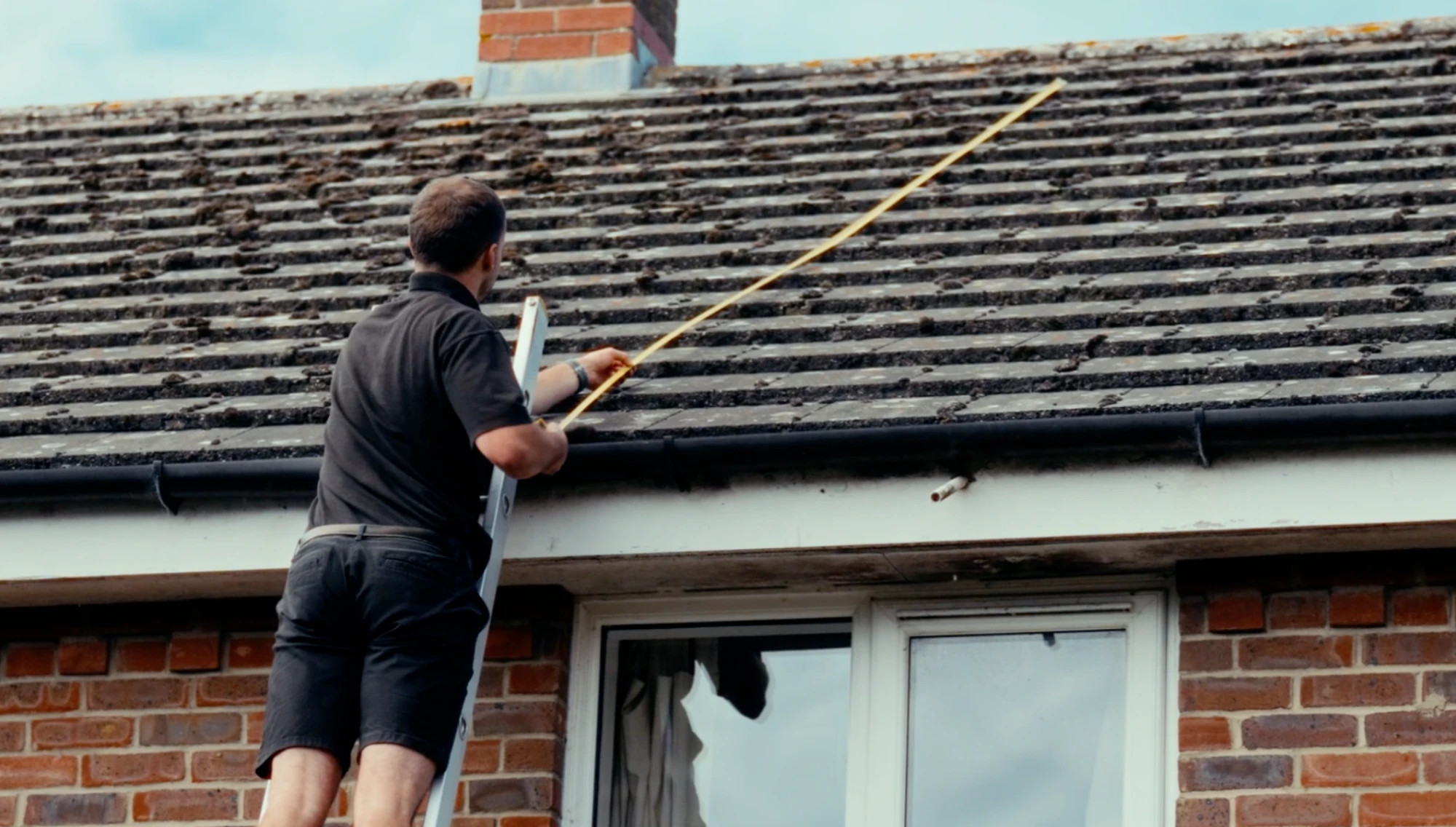
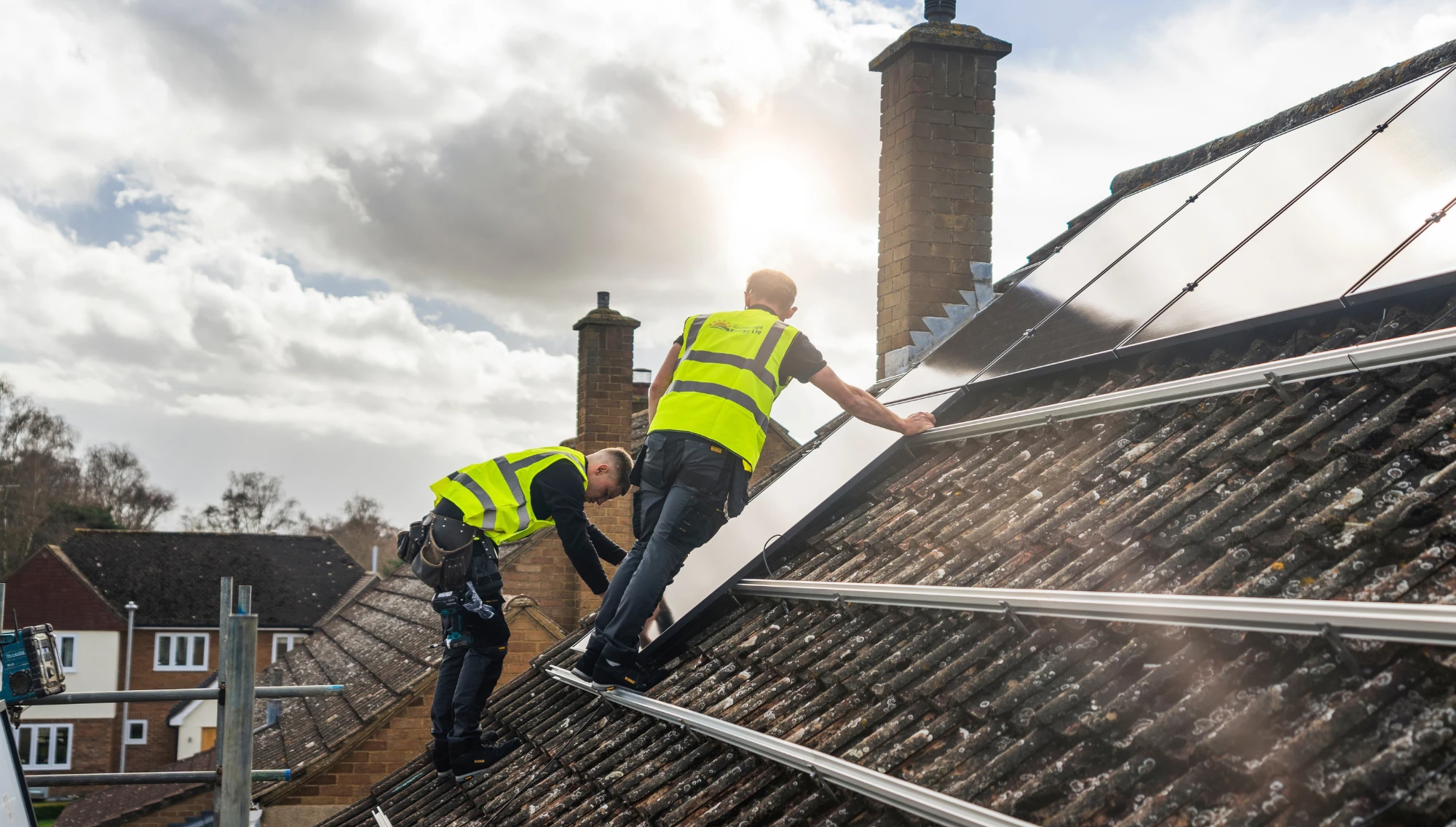
An installer in hi-vis kneeling on a roof

Is similar to asset finance but the asset stays off the customer's balance sheet for accounting purposes. Some customers prefer this for return-on-capital metrics or simpler financial reporting. Lease tends to be slightly more expensive than asset finance over the life of the agreement, but the structural simplicity suits some businesses.

We arrange both through specialist UK funding partners. The application takes 2-4 weeks for typical commercial sizes.

Public sector and charity funding

For schools, academies, councils, NHS estates, charities and community buildings, several dedicated funding routes apply.

Public Sector Decarbonisation Scheme (PSDS)

provides grants to public-sector bodies for energy-efficiency and decarbonisation works. Funding rounds typically open annually with detailed application requirements. The PSDS has funded multi-million-pound heat decarbonisation projects across UK public estates.

Salix loans

provide interest-free loans to public bodies for energy efficiency projects, including solar, battery storage and heat pumps. The loan is repaid from the energy bill savings, making it effectively cash-neutral from day one.

Charity VAT relief

reduces or eliminates VAT on qualifying installs for registered charities, on top of the 0% energy-saving materials relief.

Multi-Academy Trust (MAT) procurement frameworks

allow groups of schools to procure energy-efficient infrastructure at scale through national framework agreements. We work to several of these frameworks.

Local authority Section 106 obligations

sometimes route to renewable energy infrastructure on community buildings as part of broader development conditions.

A worked example

Take a UK manufacturing facility, 250 kW commercial solar install paid through asset finance.

That is the headline arithmetic. The exact figures depend on the site, the load profile, the tariff and the financing structure. We model your specific install during the assessment using your actual electricity bills.

A worked example
Component Amount
Full install costÂŁ125,000
Annual generation (East Anglia)~245,000 kWh
Annual self-consumption (manufacturing load)~210,000 kWh (~86%)
Avoided grid cost (at 28p/kWh)ÂŁ58,800/year
Annual saving on grid importsÂŁ58,800
Asset finance over 7 years (~6% APR)~ÂŁ21,000/year
Net cash flow year one onward+ÂŁ37,800/year positive
Capital allowances (AIA, 25% tax rate)-ÂŁ31,250 (recovered in year one)
Effective post-tax install costÂŁ93,750
Effective payback (post-tax, on net cash flow)~3.0 years
Operational life25+ years

What we handle for you

  • Site assessment and feasibility analysis, including roof structural review, planning checks where needed, and DNO grid capacity review

  • Capital allowance modelling in the proposal, with post-tax cost and effective payback figures

  • PPA application and funder coordination for zero-capex routes

  • Asset finance and lease application through specialist UK funding partners

  • DNO G99 grid connection application for larger installs

  • MCS commercial certification of the install

  • PSDS application support for public sector projects

  • Salix loan application for eligible bodies

  • Charity VAT registration where applicable

You assign one project owner from your team. We handle the rest with them.

Frequently asked questions

01 Is there a UK government grant for commercial solar?

No direct grant for owner-occupied commercial premises. Capital allowances and PPA are the dominant funding mechanisms. Public sector and charity bodies have access to PSDS and Salix.

02 Can I claim Annual Investment Allowance on solar?

Yes. Commercial solar PV qualifies as plant and machinery for AIA purposes. The allowance covers up to ÂŁ1 million per year of qualifying investment, at 50% first-year deduction (with the remaining 50% written down over subsequent years).

03 Does the BUS grant apply to commercial heat pumps?

Limited - some small commercial premises qualify under the same BUS criteria as residential. Larger commercial heat pump installs typically go through PSDS (public sector) or capital allowance routes (private sector).

04 Can I combine PPA with capital allowances?

Generally no, because the PPA funder owns the asset, not the host. The PPA funder claims the capital allowances. The host benefits through cheaper electricity rather than tax relief.

05 What if my premises is leased?

We arrange tri-party agreements between tenant, landlord and PPA funder. The structure depends on lease terms, but PPA on leased premises is common and we have delivered many.

06 What is the typical payback on commercial solar in 2026?

4 to 7 years on capital purchase with full self-consumption, less on PPA (cash positive from month one), 5 to 8 years on asset finance. Operational life is 25+ years on the panels.

Our reviews speak for themselves

Trustpilot

Excellent support, very efficient and useful.

Keith Morrill 14 Oct 2026
Trustpilot

Great technical support from a most personable Callum.

Chris 13 Oct 2026
Trustpilot

My email was answered by Chloe Hickman who made the adjustment I requested by return. Thank you Chloe, well done. Keep up the good work.

MR I CARRUTHERS 13 Oct 2026
Trustpilot

Had my Air Con installed today.. Could not fault the two installers who attended. . Arrived nice and early, took a look around outside and indoors no hesitation in starting work and confirming where I wanted the appliance. Shoes off each time they entered house and completed the tidy up after themselves. Remote and operation of A/C explained to me.. Good work, keep it up.

Alan 13 Oct 2026
Trustpilot

I had a conversation with Callum Wrigley yesterday and he was very polite, efficient and completed my requirements very quickly, I would not hesitate to recommend him and Greenscape energy

Clive Parr 13 Oct 2026
Trustpilot

Easy payment by credit card

Linda Thomas 13 Oct 2026
Trustpilot

I've just had solar panels, battery and EV charger installed by Mark and Luke. They arrived a little early, did the job as quietly as possible with no fuss, and have finished much earlier than I'd expected. Mark then explained what's what, which I think I'll remember. Couldn't expect more. Scaffolding subcontractor was similarly efficient putting the scaffolding up. The back office and survey staff have been friendly and efficient too. It has been good to be able to visit the showroom office in Ipswich.

Mr Fish 13 Oct 2026
Trustpilot

Good communication. Did what was required promptly Thank you Callum

JohnRoadley 13 Oct 2026
Trustpilot

After leaving a message and emailing w/b 5 Oct 26, I telephoned again at the end of that week and spoke with Callum Wrigley in the tech dept. He listened to my concern, was very understanding and dealt with the problem I had efficiently and to my satisfaction. Thank you Callum

Ms Ann Quilton 13 Oct 2026
Trustpilot

Good Service

Brian Farrington 12 Oct 2026
Google Google

Michaela, dealt with my finance query in a professional, efficient manner, and placated my fears that the progress on my solar system would be paused until the return of the surveyor from holiday. Good customer care. Thank you

Andrew Kay 16 Sept 2026
Google Google

Very professional and efficient from the sales engagement through to commissioning. I wouldn’t hesitate in recommending them.

Granary Barn 17 Aug 2026
Google Google

I have been very impressed with the service I received from Greenscape. The initial survey was very professionally done by Andrew and I was pleased that he convinced me not to have more panels than necessary. The team that installed the battery and inverter were excellent and very pleasant to deal with. The system is up and running and there have been no complications. I thoroughly recommend Greenscape.

Richard Stainer 11 Aug 2026
Google Google

I arranged to have solar panels and a battery installed by Greenscape via OVO Energy. From start to finish, the service has been excellent. From the survey, to the panel installation and battery installation, every team member has been professional and very friendly. The after sales have kept in contact to make sure everything has gone smoothly. Couldn't fault Greenscape.

Gareth 7 Jul 2026
View case studies

Book your FREE survey today and start saving money whilst reducing your carbon footprint.

Book a FREE Survey
Book your FREE survey
Professional Site Visit
Premium Installation
100% Satisfaction
100% Satisfaction
Slashed Energy Bills
Protected Future
Reduced Carbon